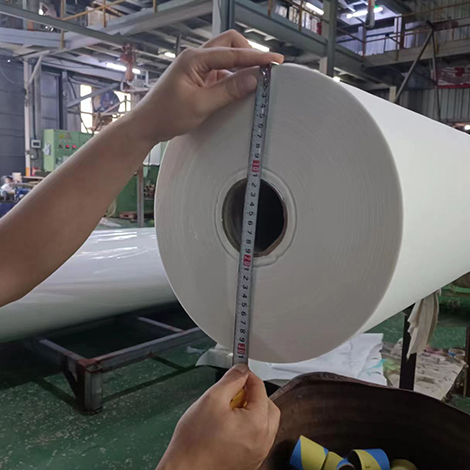

От производителя рулонного нетканого материала к вам!
Если вы закупаете ткань для упаковки, медицинских изделий, сельского хозяйства или мебели, вы, вероятно, сталкивались с выбором: тканое полотно или нетканый материал, полученный методом спанбонда.?
Оба изготовлены из полипропилена (ПП). Оба прочны и пригодны для вторичной переработки. Но они... принципиально разные материалы — производится различными способами, обладает различными свойствами и предназначен для различных применений.
Давайте разберем ключевые различия, чтобы вы могли сделать правильный выбор для своего продукта.
Тканый полипропиленовый материал изготавливается из плетение плоских полипропиленовых лент — аналогично тому, как изготавливаются традиционные текстильные изделия. Ленты экструдируются, растягиваются, а затем ткутся на ткацком станке, создавая ткань.
Типичные области применения: Прочные мешки (для риса, муки, кормов для животных), биг-бэги (FIBC), брезент, подложка для ковров.
Нетканый материал спанбонд изготавливается из экструзия непрерывных полипропиленовых нитейих укладывают в случайном порядке на конвейерную ленту и склеивают с помощью тепла и давления — без плетения, без нитей, без швов.
Типичные области применения: Медицинские халаты, хирургические маски, компоненты подгузников, хозяйственные сумки, чехлы для мебели от пыли, сельскохозяйственные почвопокровные материалы.
СвойстваТканый полипропиленовый материалНетканый материалСпанбонДляСпособ производстваПлоское плетение лент на ткацком станкеЭкструзия + формование полотна + термосклеиваниеСтруктура волокнаПереплетенные плоские ленты (видимая сетка)Случайные непрерывные нити (без видимого рисунка)Прочность на разрывНаправленная — легко рвется вдоль плетенияРавномерная — прочная во всех направленияхРаспушивание краевДа — края распушиваются, образуя пыль и торчащие нитиНет — чистый срез, без ворсаПылеудерживающая способностьПлохая — видимые зазоры между лентамиОтличная — мелкопористая структура блокирует пыльВоздухопроницаемостьХорошаяОтличнаяКачество печатиПлохое — грубая, размытая, ограниченная цветовая гаммаОтличная — четкие логотипы, яркие цвета, штрихкодыТекстура поверхностиШерстистый, абразивныйМягкий, гладкийВес (та же прочность)ТяжелееЛегче (экономия веса на 30–40%)СтоимостьОбычно вышеОбычно ниже
Тканый полипропилен по-прежнему остается оптимальным выбором для определенных областей применения:
Нетканый материал спанбонд — лучший выбор для:
Вот где разница действительно проявляется. Для 10-килограммового мешка риса:
Всё больше премиальных марок риса и муки переходят на нетканый материал — не потому, что он дешевле (хотя зачастую это так), а потому, что он выгоднее. просто лучшая сумка.
Не совсем. Для очень тяжелых промышленных работ (более 50 кг цемента, острые металлические детали) тканые материалы остаются стандартом.
Но для обширный средний рынок — Мешки весом от 5 до 25 кг, медицинские одноразовые изделия, мебельные комплектующие, сельскохозяйственные укрытия — нетканый материал спанбонд становится все более предпочтительным выбором.
Почему? Потому что это решает проблемы, с которыми не справляется тканое полотно: утечка пыли, низкое качество печати, рваные края, шероховатая текстура и неравномерная прочность на разрыв..
И тканые, и спанбондные материалы имеют свое применение. Ключевым моментом является подбор материала в соответствии с областью применения.
Если вам это необходимо мягкость, качество печати, защита от пыли, воздухопроницаемость или легкость и прочность — Нетканый материал спанбонд — вот ваш ответ.
Если вам нужна исключительная жесткость или устойчивость к очень острым предметам — выбирайте тканые материалы.
Ищете надежного поставщика рулонов нетканого полипропилена, полученного методом спанбонда? Мы производим однослойный спанбонд плотностью от 10 до 150 г/м², с возможностью заказа по индивидуальной ширине и цвету. Идеально подходит для упаковки, медицинского применения, производства мебели и сельскохозяйственной продукции.
Свяжитесь с нами для получения образцов или ценового предложения. – Давайте подберем подходящую ткань для вашего изделия.

Soclal sharing


Электронная почта : marketing@henghuanonwoven.com
Добавлять : No.260 Liqi Road Hangcheng Street, Changle District, Fuzhou City, Fujian Province, China
Авторское право
@ 2026 Фучжоу Хэн Хуа Новый Материал Лтд. Все права защищены
.  ПОДДЕРЖИВАЕМАЯ СЕТЬ
оставить сообщение
Сканировать в Wechat :

Сканировать в WhatsApp :