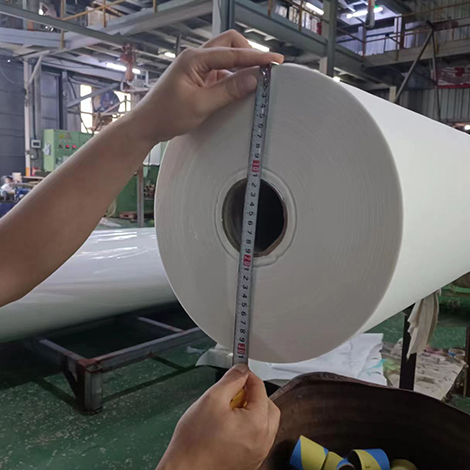
Когда вы слышите термин «нетканый материал», первое, что часто приходит на ум, — это полипропиленовый спанбонд. Это один из самых универсальных материалов на современном рынке, который используется во всем: от медицинских халатов до хозяйственных сумок и сельскохозяйственных укрытий.
Но задумывались ли вы когда-нибудь: из чего на самом деле сделана нетканая ткань?
Если вы ищете высококачественный нетканый материал из полипропилена, полученный методом спанбонда, понимание его состава имеет решающее значение для оценки того, почему он превосходит традиционные текстильные материалы во многих областях применения.
По своей сути, нетканый материал спанбонд изготавливается из100% первичный полипропилен (ПП), тип термопластичного полимера.
В отличие от тканых материалов (таких как хлопчатобумажные или полиэстерные нити), которые связаны или переплетены между собой, спанбондная ткань создается в результате единого непрерывного процесса. Вот как сырье превращается в конечный продукт:
ЭкструзияПолипропиленовые чипсы (смола) расплавляются при высоких температурах.
ВращениеРасплавленный полимер продавливается через фильеру (представьте ее как душевую лейку), образуя непрерывные тонкие нити.
РисунокЭти нити растягиваются высокоскоростным потоком воздуха для выравнивания молекулярных цепочек, что и придает волокну прочность.
Веб-формированиеНепрерывные нити укладываются на конвейерную ленту, образуя однородное полотно.
СвязываниеНаконец, полотно проходит через нагретые валики (каландрирование), которые скрепляют нити между собой без использования клея, адгезивов или швов.
Возможно, вас заинтересует, почему полипропилен является предпочтительным материалом для производства нетканых материалов. Ответ кроется в его уникальных химических и физических свойствах:
Химическая инертностьПолипропилен устойчив к кислотам, щелочам и органическим растворителям. Это делает нетканый материал идеальным для медицинского, промышленного и сельскохозяйственного применения, где часто встречается воздействие химических веществ.
Гидрофобная природаЭтот материал обладает естественными водоотталкивающими свойствами. Хотя он воздухопроницаем (пропускает воздух), он не впитывает влагу. Для применений, требующих впитывания влаги, производители могут легко обработать поверхность, сделав её гидрофильной.
Легкий вес, прочностьПолипропилен обладает одним из самых высоких показателей прочности на единицу веса среди пластмасс. Можно получить очень прочную ткань при низкой плотности (в пересчете на единицу массы).
ТермосклеиваниеВ отличие от других пластмасс, полипропилен легко склеивается под воздействием тепла и давления, что позволяет использовать описанный выше бесшовный процесс каландрирования.
Хотя полипропилен является стандартом для большинства изделий, изготовленных методом спанбонда (особенно для нашей серии нетканых материалов из полипропилена), его состав может незначительно варьироваться в зависимости от желаемого конечного применения:
Многослойные композиты (SMS)Иногда спанбонд комбинируют со слоями, полученными методом экструзионного формования расплава. При этом слои спанбонда остаются полипропиленовыми, а слой, полученный методом экструзионного формования расплава, также состоит из полипропилена, но с более тонкими волокнами для создания барьерных свойств.
Добавки: Для повышения эксплуатационных характеристик в процессе экструзии в полипропиленовую смолу добавляют следующие добавки:
УФ-стабилизаторы: Для предотвращения разрушения под воздействием солнечного света при использовании в сельском хозяйстве или на открытом воздухе.
Огнестойкие добавкиДля мебельного и промышленного применения.
АнтиоксидантыДля обеспечения долговечности и предотвращения пожелтения.
Пигменты: Для создания пользовательских цветов, выходящих за рамки натурального белого.
Итак, чтобы ответить на вопрос:Нетканый материал, изготовленный методом спанбонда, в основном состоит из полипропиленовой смолы.Благодаря сложному процессу экструзии и склеивания, этот сырой пластик превращается в мягкую, прочную, долговечную и универсальную ткань.
Независимо от того, нужен ли вам легкий материал для защитной одежды или прочный лист для геотекстиля, понимание того, что вы работаете с высококачественным нетканым полипропиленом, гарантирует, что вы выбираете материал, который обеспечивает долговечность, экономичность и возможность вторичной переработки.
Ищете надежного поставщика нетканого материала, полученного методом спанбонда?Компания Henghua Nonwoven специализируется на изготовлении нетканого полипропилена по индивидуальным заказам, точно соответствующим вашим требованиям — от плотности (г/м²) до ширины и цвета.
Электронная почта:Marketing@henghuanonwoven.com

Soclal sharing


Электронная почта : marketing@henghuanonwoven.com
Добавлять : No.260 Liqi Road Hangcheng Street, Changle District, Fuzhou City, Fujian Province, China
Авторское право
@ 2026 Фучжоу Хэн Хуа Новый Материал Лтд. Все права защищены
.  ПОДДЕРЖИВАЕМАЯ СЕТЬ
оставить сообщение
Сканировать в Wechat :

Сканировать в WhatsApp :