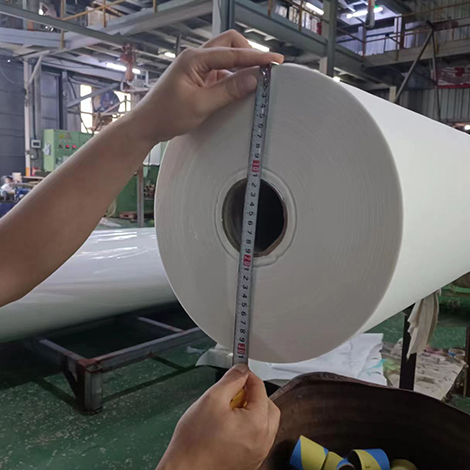

От производителя рулонного нетканого материала к вам!
Вы когда-нибудь задумывались, как рулон нетканый материал из полипропилена, полученный методом спанбонда. Как это сделано?
В отличие от традиционных тканых материалов (для производства которых требуется прядение пряжи, а затем ткачество на станке), нетканый материал спанбонд производится в... единый, непрерывный, высокоэффективный процесс.
Давайте шаг за шагом рассмотрим производственную линию.
Всё начинается с 100% первичный полипропилен (ПП) — маленькие полупрозрачные гранулы, похожие на крошечные пластиковые бусинки.
Эти гранулы представляют собой тот же базовый материал, который используется во многих пластмассовых изделиях, но для нетканых материалов мы используем специализированный сорт с определенным индексом текучести расплава (MFI) — как правило. 25–40 г/10 мин — что обеспечивает правильное формирование волокон.
На этом этапе в смолу добавляются необязательные присадки (УФ-стабилизаторы, антипирены, пигменты).
Гранулы полипропилена подаются в нагретый экструдерВнутри экструдера вращающийся шнек проталкивает гранулы вперед через зоны нагрева — как правило, 220–260 °C (428–500 °F).
Гранулы расплавляются, превращаясь в густую, похожую на мед полимерную жидкость.
Расплавленный полимер проходит через система фильтрации для удаления любых загрязнений или нерасплавленных частиц. Затем, дозирующий насос точно контролируется скорость потока в фильеру, что обеспечивает постоянную плотность ткани (GSM).
Расплавленный полимер продавливается через пазухи — металлическая пластина с сотнями или тысячами крошечных отверстий (обычно диаметром 0,3–0,6 мм).
При выходе полимера из фильеры он образует непрерывные жидкие нити. Сразу же на нити обдувается потоком воздуха высокой скорости (охлаждающий воздух), который охлаждает их из жидкого состояния в твердое.
Это та самая "пряденая" часть слова "спанбонд".
После охлаждения твердые нити проходят через высокоскоростное сопло для забора воздухаЭто приводит к растяжению нитей в несколько раз по сравнению с их первоначальной длиной, что:
Затем вытянутые нити укладываются на движущаяся конвейерная лента (называемая формовочной проволокой). Вакуумная система под лентой затягивает нити вниз, создавая однородная, хаотично уложенная сетка.
Именно эта случайная ориентация придает нетканому материалу его характерные свойства. равномерная прочность во всех направлениях — в отличие от тканого полотна, которое легко рвется по линии плетения.
Эта беспорядочная паутина пока не обладает прочностью — нити лишь слабо лежат друг на друге. Теперь их нужно... связанный.
Интернет проходит через каландр (нагретые валики) — обычно два валика:
Тепло и давление (примерно) 150°C–170°C) частично расплавляют нити в точках контакта, сплавляя их вместе. Результат: прочная, плотная ткань.
Это та часть, которая образует "связь" в нетканом материале спанбонд.
В зависимости от области применения, ткань может получать обработка поверхности:
Готовая ткань проходит через обрезка кромок (для обеспечения чистых, ровных краев), затем наматывается на большие картонные сердечники — как правило внутренний диаметр 3 или 6 дюймов.
Ширина валков обычно составляет от... от 1,6 м до 3,2 мВ зависимости от производственной линии. Длина рулонов варьируется в зависимости от плотности (GSM) и требований заказчика.
Перед отправкой каждый рулон проходит проверку. тестирование качества:
Проходные рулоны упаковываются в защитную пластиковую пленку, маркируются и подготавливаются к отправке.
| Этап | Оборудование | Выход |
|---|---|---|
| 1. Сырье | Бункер / Силос для смолы | Гранулы полипропилена + добавки |
| 2. Экструзия | Одношнековый экструдер | Расплавленный полимер |
| 3. Вращение | Фильера + охлаждение воздуха | Твердые непрерывные нити |
| 4. Рисунок | Высокоскоростное воздушное сопло | Ориентированные, растянутые нити |
| 5. Формирование сети | Формовочная лента + вакуум | Сеть из хаотично уложенных нитей |
| 6. Склеивание | Нагретые каландровые валы | Склеенный нетканый материал |
| 7. Намотка | Намотчик / резак | Готовые рулоны |
| Преимущество | Почему это важно |
|---|---|
| Высокая скорость производства | До 600 м/мин — намного быстрее, чем ткачество. |
| Непрерывная нить | Никакого ворса, никакого расслоения, никаких слабых мест из-за коротких волокон. |
| Одноэтапный процесс | От смолы до ткани за считанные минуты — мало энергии, мало трудозатрат. |
| Однородные свойства | Постоянная плотность и прочность по всей длине рулона. |
| Подлежит переработке | 100% полипропилен — может быть переработан в новые изделия. |
| Процесс | Тип волокна | Типичная сила | Типичные приложения |
|---|---|---|---|
| спанбонд | Непрерывная нить | Высокий | Медицина, сельское хозяйство, упаковка, геотекстиль |
| расплавленный полимер | Микрофибра | Низкий | Фильтрация, средний слой маски |
| Чеснутое (штапельное волокно) | Коротко нарезанные волокна | Середина | Подкладочные материалы, салфетки, утеплитель |
Процесс спанбонда — это элегантный в своей простоте — плавить, вращать, укладывать, склеивать, наматывать. От сырой смолы до готовой ткани — в единой непрерывной линии.
Никакого ткачества. Никакого вязания. Никакого шитья. Просто высокопрочная, однородная, экономичная ткань Произведено в промышленных масштабах.
Именно поэтому нетканый материал спанбонд стал предпочтительным материалом для миллиардов одноразовых и многоразовых изделий по всему миру.
Ищете надежного поставщика рулонов нетканого полипропилена, полученного методом спанбонда? Мы производим однослойный спанбонд плотностью от 10 до 150 г/м², с возможностью изготовления на заказ по ширине и цвету.
Свяжитесь с нами для получения образцов или ценового предложения. – Давайте обсудим ваши потребности в нетканых материалах.

Soclal sharing


Электронная почта : marketing@henghuanonwoven.com
Добавлять : No.260 Liqi Road Hangcheng Street, Changle District, Fuzhou City, Fujian Province, China
Авторское право
@ 2026 Фучжоу Хэн Хуа Новый Материал Лтд. Все права защищены
.  ПОДДЕРЖИВАЕМАЯ СЕТЬ
оставить сообщение
Сканировать в Wechat :

Сканировать в WhatsApp :