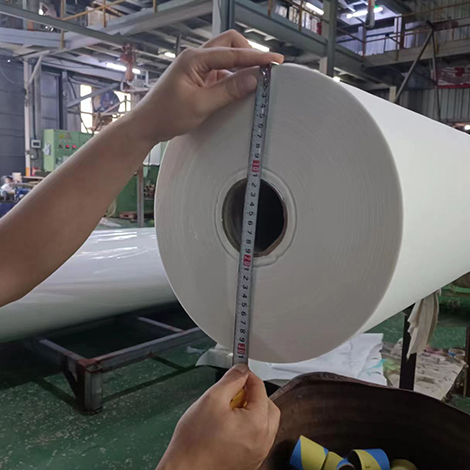

Сидя в современном автомобиле, вы обращаете внимание на кожаные сиденья, мягкую на ощупь приборную панель, элегантные дверные панели. Но то, чего вы не видите, не менее важно.
Скрытое под поверхностями, за панелями и под ковровым покрытием — это материал, играющий решающую роль в том, чтобы сделать современные автомобили тише, легче и комфортнее: нетканый материал из полипропилена, полученный методом спанбонда..
Фактически, средний современный автомобиль содержит 5–10 килограммов нетканого материалаЗначительная часть этого — нетканый полипропилен.
Давайте разберемся, почему нетканый полипропиленовый материал стал предпочтительным для столь многих применений в автомобильной промышленности.
Автомобильная промышленность предъявляет высокие требования. Материалы должны соответствовать строгим требованиям безопасности, долговечности, веса, стоимости и экологическим стандартам. ПП-спанбонд отвечает всем этим требованиям:
Требования к способу поставки нетканого полипропилена
| Легкий | Низкая плотность — снижает вес транспортного средства и повышает топливную экономичность. |
| Экономически выгодно | Высокоскоростное производство позволяет снизить затраты по сравнению с традиционными текстильными материалами. |
| Звукопоглощение | Волокнистая структура поглощает шум и снижает вибрацию. |
| Прочный | Устойчив к износу и старению на протяжении всего срока службы автомобиля. |
| Слабый запах | Полипропиленовая смола высокой чистоты обладает минимальным естественным запахом, что важно для комфорта в салоне. |
| Подлежит переработке | Использование 100% полипропилена способствует достижению целей устойчивого развития автомобильной промышленности. |
| Гибкость дизайна | Доступны в различных цветах, ширинах и вариантах отделки поверхности на заказ. |
Нетканый материал PP спанбонд используется во многих деталях современных автомобилей. Вот наиболее распространенные области применения:
1. Внутренняя отделка и дверные панели
Под декоративной поверхностью дверных панелей и внутренней отделки в качестве подложки используется нетканый материал спанбонд. Он обеспечивает структурную поддержку, звукоизоляцию и гладкую поверхность для склеивания с пенопластом или тканью.
Типичные характеристики: плотность 80–120 г/м², черный или серый цвет.
2. Обивка спинки и подушки сиденья
Под обивкой сиденья находится нетканый материал, покрывающий поролоновую подушку и пружинный блок. Он предотвращает скрип между пружинами и поролоном и обеспечивает стабильную основу для внешней отделки.
Типичные характеристики: плотность 70–100 г/м², черный или белый цвет.
3. Потолочная обшивка (обшивка потолка)
Мягкая ткань на крыше автомобиля часто представляет собой композитный материал — декоративный внешний слой, ламинированный на нетканую основу из спанбонда. Слой спанбонда придает жесткость, звукоизоляцию и обеспечивает чистую поверхность для склеивания.
Типичные характеристики: плотность 60–90 г/м², белый или серый цвет.
4. Коврики в багажник.
Материал, напоминающий ковер, в багажнике или багажном отделении часто представляет собой нетканый материал, изготовленный методом спанбонда — иногда иглопробивной, но также и из плотного спанбонда. Он прочный, износостойкий и скрывает голый металлический пол.
Типичные характеристики: 100–150 г/м², черный цвет.
5. Подкрылки
Внутри колесных арок в качестве защитного покрытия используется нетканый материал. Он поглощает дорожный шум, блокирует удары камней и защищает от влаги и грязи.
Типичные характеристики: 100–150 г/м², черный цвет (для данного применения рекомендуется использовать УФ-стабилизаторы).
6. Защитные кожухи днища и крышки моторного отсека
Под днищем автомобиля для брызгозащитных щитков и защитных покрытий используется нетканый материал спанбонд. Он легкий, водоотталкивающий и помогает снизить аэродинамический шум.
Типичные характеристики: 100–150 г/м², черный цвет (для моторного отсека рекомендуется использовать термостабилизаторы).
7. Акустическая изоляция (звукопоглотители)
Современные автомобили тихие. Нетканый материал спанбонд используется в качестве звукопоглощающего слоя за элементами приборной панели, внутри дверей и по всему салону. Его пористая структура задерживает звуковые волны.
Типичные характеристики: плотность 80–130 г/м², различные цвета.
8. Фильтрующие элементы (салонные воздушные фильтры)
Во многих салонных воздушных фильтрах в качестве опорного слоя для фильтрующего материала используется нетканый материал (спанбонд). Он обеспечивает структуру и прочность складчатому фильтрующему элементу.
Типичные характеристики: 30–60 г/м², белый цвет.
Общая сумма расходов в типичном автомобиле: 5–10 кг нетканого материала, из которых 30–50% составляет полипропиленовый спанбонд или композиты на его основе.
Не все нетканые материалы, полученные методом спанбонда, подходят для использования в автомобильной промышленности. Вот что отличает качественный автомобильный спанбонд:
1. Низкий уровень запаха
Качество воздуха в салоне имеет важное значение. Использование высокочистой первичной полипропиленовой смолы и тщательно подобранных добавок сводит к минимуму любые неприятные запахи внутри автомобиля.
2. Варианты огнестойкости
Для обеспечения пожарной безопасности в салонах автомобилей необходимо соблюдать требования пожарной безопасности. Мы можем добавить безгалогенные огнезащитные добавки в соответствии с вашими конкретными требованиями.
3. Температурная стабильность
В конструкциях днища и моторного отсека могут наблюдаться повышенные температуры. Для сохранения прочности ткани в условиях высоких температур можно добавлять термостабилизаторы.
4. Устойчивость к УФ-излучению (опционально)
Для деталей, прилегающих к наружным поверхностям (колесные арки, днище или внутренние участки, подверженные воздействию солнечных лучей), УФ-стабилизаторы помогают предотвратить пожелтение и разрушение.
5. Консистенция поверхности
Для ламинирования и склеивания поверхность нетканого материала должна быть гладкой и однородной. Неровности могут привести к расслоению готового изделия.
6. Размерная стабильность
Автомобильные детали производятся на высокоскоростных прессовых линиях. Нетканый материал спанбонд должен иметь постоянную ширину и толщину для правильной подачи через оборудование.
Наши сертификаты качества:
По запросу мы можем предоставить протоколы испытаний на особо опасные вещества (SVHC) для обеспечения соответствия вашим нормативным требованиям.
Материал: нетканый войлок PP / иглопробивной пенополиуретан
| Масса | ✓ Свет | Тяжелый | Свет | Середина |
| Расходы | ✓ Низкий | Середина | Середина | Высокий |
| Звукопоглощение | Хороший | ✓ Отличный | Хороший | Бедный |
| Влагостойкость | ✓ Отличный | Бедный | Бедный | Умеренный |
| Возможность вторичной переработки | ✓ Высокий | Середина | Низкий | Высокий |
Ряд тенденций обуславливает рост спроса на нетканые материалы из полипропилена, полученные методом спанбонда, в автомобильной промышленности:
1. Снижение веса
В современных автомобилях важен каждый грамм. Автопроизводители заменяют более тяжелые материалы (войлок, пенопласт, металл) легкими неткаными решениями. ПП-спанбонд — один из самых легких доступных вариантов.
2. Электромобили (EV)
Электромобили тяжелее из-за батарей. Автопроизводители ищут способы снизить вес повсюду, в том числе и в материалах для отделки салона. Нетканый материал спанбонд — очевидный и эффективный способ.
3. Шум, вибрация и жесткость (NVH)
Электромобили тише автомобилей с двигателями внутреннего сгорания, а это значит, что шум от дороги и ветра становится более заметным. Акустические материалы, изготовленные методом спанбонда, пользуются большим спросом.
4. Цели устойчивого развития
Автопроизводители стремятся к достижению целей в области экономики замкнутого цикла. ПП-спанбонд на 100% пригоден для вторичной переработки и может производиться из высококачественной первичной смолы, что поддерживает инициативы по созданию замкнутого цикла.
5. Сложность дизайна интерьера
Современные автомобильные интерьеры отличаются более скульптурной формой и богатым функциональным оформлением. Гибкость и формуемость спанбонда делают его идеальным материалом для создания сложных форм.
В компании Heng Hua Nonwoven мы производим нетканые материалы. однослойный полипропиленовый нетканый материал со следующими возможностями для использования в автомобильной промышленности:
Вы являетесь поставщиком или производителем автомобильной продукции? Мы можем предоставить технические характеристики материалов, протоколы испытаний на особо опасные материалы (SVHC) и образцы рулонов для вашей оценки.
Нетканый полипропиленовый материал, полученный методом спанбонда, используется не только для пакетов для покупок и медицинских халатов. Это... ключевой материал в современной автомобильной промышленности — используется в сиденьях, дверях, потолке, багажниках, колесных арках, защите днища и акустических системах.
Его сочетание легкий, экономичный, звукопоглощающий, долговечный и пригодный для вторичной переработки. это делает его незаменимым для автопроизводителей по всему миру.
По мере того, как автомобильная промышленность переходит на электромобили и ужесточает требования к устойчивому развитию, спрос на нетканые материалы, изготовленные методом спанбонда, будет только расти.
Ищете надежного поставщика нетканого полипропилена, полученного методом спанбонда, для автомобильной промышленности? Мы предлагаем однослойный спанбонд плотностью от 40 до 150 г/м², сертифицированный по стандарту ISO 9001:2015 и соответствующий требованиям SVHC, а также с возможностью добавления различных материалов в соответствии с вашими конкретными требованиями.
Свяжитесь с нами для получения образцов или ценового предложения. – Давайте поможем вам создавать более легкие, тихие и экологичные транспортные средства.

Soclal sharing


Электронная почта : marketing@henghuanonwoven.com
Добавлять : No.260 Liqi Road Hangcheng Street, Changle District, Fuzhou City, Fujian Province, China
Авторское право
@ 2026 Фучжоу Хэн Хуа Новый Материал Лтд. Все права защищены
.  ПОДДЕРЖИВАЕМАЯ СЕТЬ
оставить сообщение
Сканировать в Wechat :

Сканировать в WhatsApp :