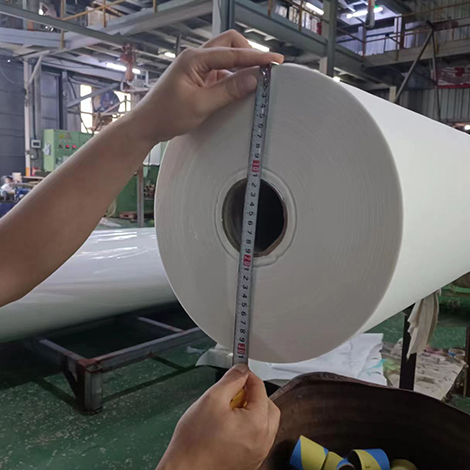

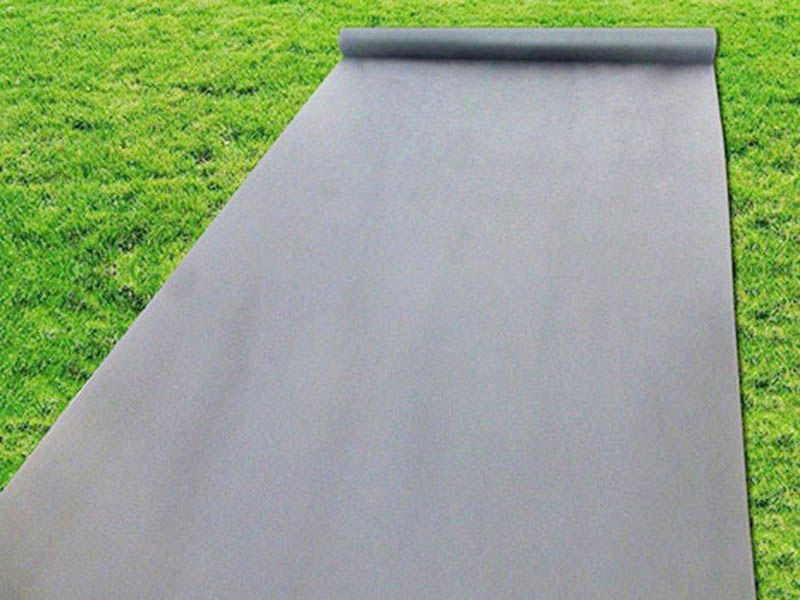
Нетканый материал, изготовленный из полиэстера или полипропилена в качестве сырья, разрезается и скручивается в длинные нити методом шнекового экструдирования, а затем непосредственно формируется в сетку определенного диаметра путем горячего связывания и склеивания. Это покрывающее полотно, похожее на ткань, обладающее хорошей воздухопроницаемостью, влагопоглощением и прозрачностью, и выполняющее такие функции, как защита от холода, увлажнение, защита от обледенения, защита от замерзания, прозрачность и кондиционирование воздуха. Оно также отличается малым весом, простотой использования и коррозионной стойкостью. Утолщенный нетканый материал обладает хорошим теплоизоляционным эффектом и может использоваться для многослойных покрытий.
Применение нетканого полипропиленового материала, полученного методом спанбонда, в овощеводстве.
1. Покрытие поверхности грядки с овощной рассадой обеспечивает теплоизоляцию, удерживает влагу и способствует прорастанию семян. Его также можно использовать для подкормки, полива и опрыскивания поверхности грядки. Это не только удобно в использовании, но и позволяет получить густой и аккуратный рост рассады.
2. После посадки укрытие поверхности ствола играет важную роль в теплоизоляции, удержании влаги, стимулировании укоренения и сокращении периода всходов. Укрытие ранней весной, как правило, повышает температуру почвенного слоя на 1–2 °C, ускоряет созревание примерно на 7 дней и увеличивает ранний урожай на 30–50%.
3. Небольшой арочный навес используется для раннеспелых, высокоурожайных и высококачественных культур, а также может применяться для затенения, охлаждения и выращивания рассады летом и осенью. Для укрытия ранней весной можно использовать белый нетканый материал плотностью 20 грамм и более на квадратный метр; для летнего и осеннего выращивания рассады можно выбрать серебристо-серый или черный нетканый материал плотностью 20 или 30 грамм на квадратный метр.
4. Большие и средние теплицы следует накрыть одним или двумя слоями нетканого полипропиленового полотна плотностью 30 или 50 грамм на квадратный метр в качестве навеса, оставив между навесом и пленкой зазор от 15 до 20 сантиметров, образуя теплоизоляционный слой, что способствует зимнему и весеннему выращиванию рассады, а также осеннему отложенному выращиванию. Как правило, это позволяет повысить температуру почвы на 3–5 ℃.
5. Укрытие овощей для зимовки в открытом грунте нетканым полипропиленовым материалом в качестве теплоизоляционного утеплителя обеспечивает более выраженный эффект, чем в теплицах. Это можно использовать для сельдерея, салата, шпината, пастушьей сумки и ростков фасоли, чтобы предотвратить повреждения от заморозков, стимулировать рост, улучшить качество и ускорить выход продукции на рынок. Укрытие нетканым материалом плотностью 30 грамм на квадратный метр, которое можно открывать ежедневно и накрывать на ночь, позволяет начать выращивание на 10-20 дней раньше, что приводит к увеличению урожайности более чем на 20%.
Рекомендации нашей компании по продукции:

Soclal sharing


Электронная почта : marketing@henghuanonwoven.com
Добавлять : No.260 Liqi Road Hangcheng Street, Changle District, Fuzhou City, Fujian Province, China
Авторское право
@ 2026 Фучжоу Хэн Хуа Новый Материал Лтд. Все права защищены
.  ПОДДЕРЖИВАЕМАЯ СЕТЬ
оставить сообщение
Сканировать в Wechat :

Сканировать в WhatsApp :