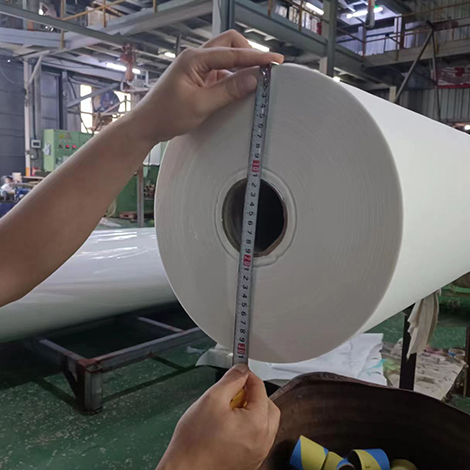

Вы выбрали правильную ткань. Правильную плотность. Правильную ширину. Правильный цвет. Но есть еще одна важная деталь, которую часто упускают из виду: Какой диаметр сердечника должны иметь ваши валки?
Кажется, это мелочь. Но неправильный выбор размера сердцевины может повлиять на стоимость доставки, эффективность производства и даже качество ткани.
Здесь вы найдете всю необходимую информацию о выборе подходящей трубки для сердечника рулона нетканого материала из полипропилена, полученного методом спанбонда.
Трубчатый сердечник (также называемый бумажным или картонным сердечником) — это... цилиндрический центр Вокруг которого наматывается нетканый материал. Он обеспечивает структурную поддержку рулону и позволяет устанавливать ткань на дозирующее или перерабатывающее оборудование.
Сердечники труб обычно изготавливаются из крафт-бумага высокой плотности — достаточно прочный, чтобы выдерживать вес рулона во время намотки, погрузки и разгрузки и транспортировки.
В производстве нетканых материалов необходимо знать три стандартных внутренних диаметра:
Размер сердечника Внутренний диаметр (ID) Способ производства
| 3-дюймовый сердечник | 76,2 мм | Стандартное начальное ядро — непосредственно с производственной линии |
| 2-дюймовый сердечник | 50,8 мм | Требуется перемотка. (переведено с 3 дюймов) |
| 1,5-дюймовый сердечник | 38,1 мм | Требуется перемотка. (переведено с 3 дюймов) |
Он 3-дюймовый сердечник Это наиболее распространенный размер в индустрии нетканых материалов. В компании Heng Hua Nonwoven, как и у большинства производителей, Наша производственная линия наносит ткань непосредственно на 3-дюймовые сердечники.Это "исходная" или "основная" часть — никаких дополнительных шагов, никакой дополнительной обработки, просто прямо с конвейера.
Почему 3 дюйма — это стандарт:
Некоторые клиенты заказывают сердечники меньшего диаметра — 2 или 1,5 дюйма — чтобы уменьшить размер рулона. Но в отличие от 3-дюймовых, эти сердечники... не производится непосредственно на основной производственной линииОни требуют процесс перемотки (также называется "разрезка и перемотка" или просто "перемотка").
При перемотке большой рулон с сердечником диаметром 3 дюйма разматывается, а затем наматывается на сердечник меньшего диаметра. Это добавляет... дополнительный производственный этап, что означает:
Основная причина, по которой клиенты запрашивают сердечники диаметром 2 или 1,5 дюйма, заключается в следующем: эффективность доставки.
Меньший диаметр сердечника означает, что общий диаметр валка меньше при одинаковой длине рулона. Даже уменьшение на 1–2 см Диаметр рулона может иметь существенное значение — это может означать необходимость подгонки. один дополнительный ряд рулонов, уложенных горизонтально внутри транспортного контейнера.
При полной загрузке контейнера этот дополнительный ряд означает следующее: реальная экономия на грузоперевозкахДля покупателей, совершающих крупные заказы, это веская причина рассмотреть возможность приобретения комплектующих меньшего размера.
Важный: Для тканей 40 г/м² или легче, мы не рекомендуется перематыватьДля бумаги плотностью 30 г/м² и ниже, Перемотка категорически не рекомендуется..
Почему? Потому что это легкий нетканый материал. тонкая и нежнаяПроцесс перемотки подвергает ткань натяжению, растяжению и механическому воздействию. Для легких тканей это может привести к следующим последствиям:
Общее правило:
Перемотка — это не только про GSM — Ширина ткани имеет такое же важное значение..
Наши перемоточные машины имеют определенные возможности по ширине рулона. Если рулон... слишком узкийЕго невозможно будет правильно смотать обратно, потому что ткань будет смещаться, переходить в другое положение или наматываться неравномерно.
Технические характеристики нашей перемоточной машины:
Ограничения по ширине для перемотки:
Ширина ткани. Возможна ли перемотка? Примечания.
| ≥ 140 см (1,4 м) | Да | Стабильная перемотка, хорошее выравнивание краев. |
| 130 см (1,3 м) и ниже | No | Ткань смещается, ветер дует неравномерно, края кривеют. |
| 52 см (0,52 м) — слишком узко. | No | Перемотать на нашем оборудовании невозможно. |
Помнить: Можно перематывать леску длиной 1,5 и 1,4 метра. 1,3 метра и ниже не допускается — Ткань будет развеваться, и ветер будет раскачивать её.
Вот два примера, которые помогут вам понять, когда перемотка назад работает, а когда нет:
✅ Пример 1 — Перемотка назад прошла успешно
Технические характеристики: 70 г/м² × 200 см ширина × 50 м длина
Запрошенное ядро: 2 дюйма
Вердикт: ✅ OK
Почему: Ткань плотностью 70 г/м² достаточно прочна, чтобы выдерживать натяжение при перемотке. Ширина 200 см вполне укладывается в возможности перемоточной машины (2,4 м). Ткань стабильна, а длина 50 м вполне приемлема.
✅ Пример 2 — Перемотка назад прошла успешно
Технические характеристики: 50 г/м² × 150 см ширина × 100 м длина
Запрошенное ядро: 1,5 дюйма
Вердикт: ✅ OK
Почему: Плотность ткани 50 г/м² превышает пороговое значение в 40 г/м². Ширина 150 см превышает минимальное значение в 130 см. Сердечник толщиной 1,5 дюйма возможен при тщательном контроле натяжения.
❌ Пример 3 — Перемотка назад НЕ ДОПУСКАЕТСЯ
Технические характеристики: 25 г/м² × 52 см ширина × 200 м длина
Запрошенное ядро: 2 дюйма
Вердикт: ❌ НЕПРИЕМЛЕМО
Почему: Плотность ткани 25 г/м² ниже 40 г/м² — перемотка растянет и истончит ткань. Ширина 52 см значительно меньше минимальной ширины 130 см — ткань будет смещаться и наматываться криво. Ткань, соответствующая этим требованиям, должна наматываться на сердечник диаметром 3 дюйма.
Воспользуйтесь этим кратким контрольным списком, чтобы определить, подходит ли ваша спецификация для перемотки на сердечник меньшего диаметра:
Требование. Должно быть. Почему?
| GSM (плотность ткани) | ≥ 50 г/м² (в идеале) > 40 г/м² (минимум) | Ткань плотностью менее 40 г/м² растягивается и истончается во время перемотки. |
| ширина ткани | ≥ 140 см | При высоте снежного покрова ниже 130 см ткань развевается, и ветер дует неравномерно. |
| Длина рулона | Зависит от плотности ткани (GSM) и ширины. | Для более длинных рулонов требуется более тщательный контроль натяжения. |
Независимо от внутреннего диаметра, толщина стенки Прочность сердечника на сжатие определяется его толщиной. Тонкий сердечник разрушится под большим весом валка или при зажиме гидравлическим патроном.
Размер сердцевиныСтандартная стенаСтена для тяжелых условий эксплуатации
| 3-дюймовый сердечник | 5–6 мм | 8–10 мм |
| 2-дюймовый сердечник | 5–6 мм | 8–10 мм |
| 1,5-дюймовый сердечник | 4–5 мм | 6–8 мм |
Для любого диаметра сердечника, если вес вашего рулона превышает... 100–120 кгМы рекомендуем установить стену повышенной прочности.
Краткое руководство по принятию решений:
Выбор правильного размера сердечника трубы — это... балансирование между эффективностью доставки и качеством ткани — с учетом физических ограничений оборудования в этом диапазоне.
Правила просты:
Если вы не уверены, можно ли перемотать ваши технические характеристики, просто спросите насМы проверим плотность (GSM), ширину и длину вашего полотна с учетом наших возможностей по перемотке и дадим вам четкие рекомендации.
Ищете надежного поставщика рулонов нетканого полипропилена, полученного методом спанбонда? Мы предлагаем 3-дюймовые сердечники напрямую с производства, а также можем предоставить 2-дюймовые или 1,5-дюймовые сердечники путем перемотки в соответствии с требуемыми характеристиками.
Свяжитесь с нами для получения образцов или ценового предложения. – Давайте подберем подходящий диаметр сердечника для вашего продукта.

Soclal sharing


Электронная почта : marketing@henghuanonwoven.com
Добавлять : No.260 Liqi Road Hangcheng Street, Changle District, Fuzhou City, Fujian Province, China
Авторское право
@ 2026 Фучжоу Хэн Хуа Новый Материал Лтд. Все права защищены
.  ПОДДЕРЖИВАЕМАЯ СЕТЬ
оставить сообщение
Сканировать в Wechat :

Сканировать в WhatsApp :