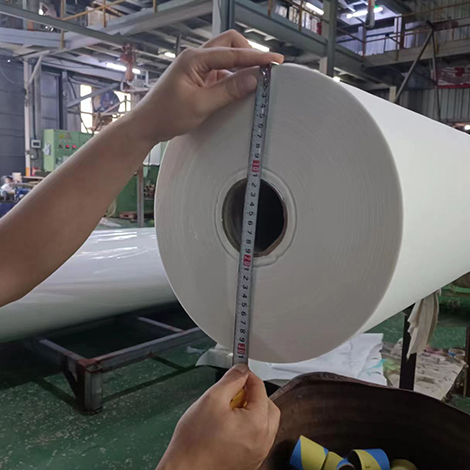

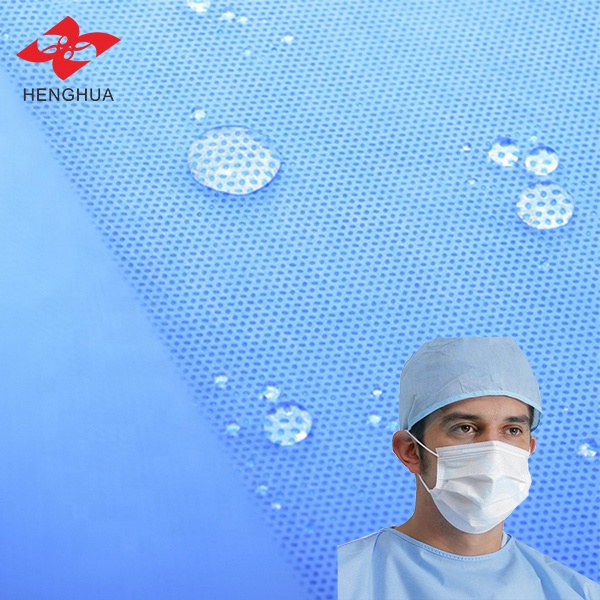
1. Полный производственный процесс
1. Предварительная обработка сырья: Смешайте частицы полипропилена с антибактериальной мастербатч-смесью, например, наночастицами фосфата циркония с добавлением серебра, в точно определенных пропорциях и удалите влагу путем сушки горячим воздухом, чтобы избежать образования пузырьков в процессе последующего плавления, которые могут повлиять на качество прядения.
2. Экструзия расплава: Смешанное сырье подается в шнековый экструдер и нагревается до расплавления и пластификации в диапазоне температур 220-250 ℃. Затем расплав подается в прядильный элемент с помощью дозирующего насоса в постоянном количестве и под постоянным давлением.
3. Формирование полотна: Расплав экструдируется через микропоры фильеры, образуя непрерывные нити, которые протягиваются высокоскоростным потоком воздуха и равномерно укладываются на движущуюся завесу полотна, формируя волокнистое полотно.
4. Формование армирующего слоя: Волокнистая сетка армируется методом горячего склеивания с использованием прокатного стана. В некоторых высококачественных изделиях используется технология гидроабразивной резки/игольчатой штамповки для обеспечения равномерного прикрепления антибактериальных компонентов к внутренней поверхности волокна, что предотвращает их быстрое вымывание при последующем использовании.
5. Последующая обработка и готовый продукт: После охлаждения и формования, а также проверки характеристик, продукт разрезается и прокатывается в соответствии с заданной шириной для получения конечного продукта. Качественный продукт сохраняет стабильные антибактериальные свойства даже после 5 промывок водой.
2. Основные области применения
1. В области медицинской защиты используется для изготовления одноразовых хирургических халатов, стерилизационных пакетов, внутренних слоев медицинских масок и хирургических простыней. Эффективно подавляет рост патогенных бактерий, снижает риск перекрестного заражения и соответствует стандарту GB/T20944.3 для медицинских антибактериальных материалов.
2. В области гигиены матери и ребенка: используется в качестве верхнего слоя подгузников, нижнего слоя гигиенических прокладок и базового материала мочеприемников, приятна для кожи и не вызывает раздражения, предотвращает размножение бактерий в интимных ситуациях и повышает гигиеничность использования.
3. Бытовые предметы повседневного использования: подстилки для домашних животных, антибактериальные и пылеотталкивающие салфетки, подкладка для домашнего текстиля, могут подавлять запахи и рост плесени, подходят для влажных и склонных к размножению бактерий мест в доме.
4. В области промышленной фильтрации для систем подачи свежего воздуха и кондиционеров используются фильтрующие материалы, изготовленные методом спанбонда, которые предотвращают прилипание бактерий и рост плесени после длительной эксплуатации, тем самым повышая уровень гигиены при фильтрации воздуха.

Soclal sharing


Электронная почта : marketing@henghuanonwoven.com
Добавлять : No.260 Liqi Road Hangcheng Street, Changle District, Fuzhou City, Fujian Province, China
Авторское право
@ 2026 Фучжоу Хэн Хуа Новый Материал Лтд. Все права защищены
.  ПОДДЕРЖИВАЕМАЯ СЕТЬ
оставить сообщение
Сканировать в Wechat :

Сканировать в WhatsApp :